Marathon pace chart
The marathon (42.195 km / 26.22 miles) is the ultimate test of endurance pacing. Go out 10 seconds per mile too fast and the last 10K will collapse on you. This chart maps each pace to a marathon finishing time so you can set a realistic goal.
Training and racing Marathon
Marathon plans usually span 16 to 20 weeks. Long runs build to 30 to 35 km (18 to 22 miles), and aerobic volume (easy miles) is the single biggest predictor of finishing time. Most amateurs underestimate fueling: 60 to 90 g of carbohydrate per hour during the race is now standard, and you have to train your gut to handle it.
Marathon finishing times by pace
| Pace (min/km) | Pace (min/mi) | Marathon time |
|---|---|---|
| 8:00 | 12:52 | 5:37:34 |
| 7:45 | 12:28 | 5:27:01 |
| 7:30 | 12:04 | 5:16:28 |
| 7:15 | 11:40 | 5:05:55 |
| 7:00 | 11:16 | 4:55:22 |
| 6:45 | 10:52 | 4:44:49 |
| 6:30 | 10:28 | 4:34:16 |
| 6:15 | 10:04 | 4:23:43 |
| 6:00 | 9:39 | 4:13:10 |
| 5:45 | 9:15 | 4:02:37 |
| 5:30 | 8:51 | 3:52:04 |
| 5:15 | 8:27 | 3:41:31 |
| 5:00 | 8:03 | 3:30:59 |
| 4:45 | 7:39 | 3:20:26 |
| 4:30 | 7:15 | 3:09:53 |
| 4:15 | 6:50 | 2:59:20 |
| 4:00 | 6:26 | 2:48:47 |
| 3:45 | 6:02 | 2:38:14 |
| 3:30 | 5:38 | 2:27:41 |
| 3:15 | 5:14 | 2:17:08 |
| 3:00 | 4:50 | 2:06:35 |
What is a good Marathon time?
| Runner | Time | What it means |
|---|---|---|
| Beginner | 5:30:00 | First-time marathon, run-walk strategy. |
| Recreational | 4:00:00 | Sub-4, a milestone target for many. |
| Competitive amateur | 3:00:00 | Sub-3, Boston-qualifying for most age groups. |
| Elite men | 2:20:00 | Elite fields typically have an expected finish time of under 2 hours and 20 minutes |
| World Record | 1:59:30 | World record, Sabastian Sawe, April 2026 |
Frequently asked questions
What pace do I need to run a sub-4:00 marathon?
Sub-4 marathon is 5:41/km or 9:09/mile, the same per-km pace as a 2:00 half marathon held for twice the distance. Most sub-4 attempts succeed when the runner is comfortable at 5:30/km for 30 km in training.
What pace do I need to run a sub-3:00 marathon?
4:16/km exactly (6:52/mile). Generally requires a 1:25 half marathon, a 38-minute 10K, and consistent 70+ km weeks for 16+ weeks. That's doable for many committed amateurs.
Why does marathon pace feel slower than half-marathon pace?
Because it is, typically 15 to 35 seconds per mile slower. But it should feel comfortable for the first 30 km. If marathon pace feels hard at km 15, you've gone out too fast.
How do I avoid hitting the wall?
Train at marathon pace in long runs (especially the back half), fuel with carbohydrate during the race (60 to 90 g/hr), and don't run the first 10K faster than goal pace. The wall is a glycogen-depletion event compounded by poor pacing.
How do I qualify for the elite field at the Berlin Marathon?
Berlin's elite field is selection-based rather than a published time cutoff. You apply through the elite field contact person, and you get a starting place if you meet the criteria and the field still has capacity. The faster your recent marathon time, the better your chances. Accepted runners get separate registration at the Elite Hotel, a dedicated starting tent with catering, and a start area away from the general participant mass. A technical meeting on race Saturday covers pacemaker target times. For the current year's standards, check the official Berlin Marathon site, since the practical bar moves with the depth of applications.
Guides
Other pace charts
Want to take the next step in your training?
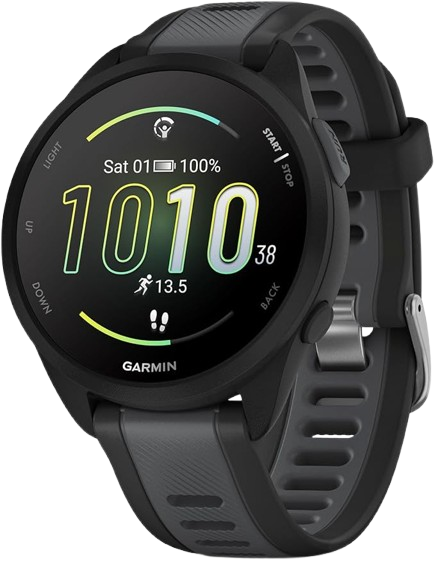
Garmin Forerunner 165 Music
-17%from $249as of May 2026Running Smartwatch, Colorful AMOLED Display, Training Metrics and Recovery Insights, Music on Your Wrist
Colors: Black/Berry/Turquoise/Whitestone
View on Amazon →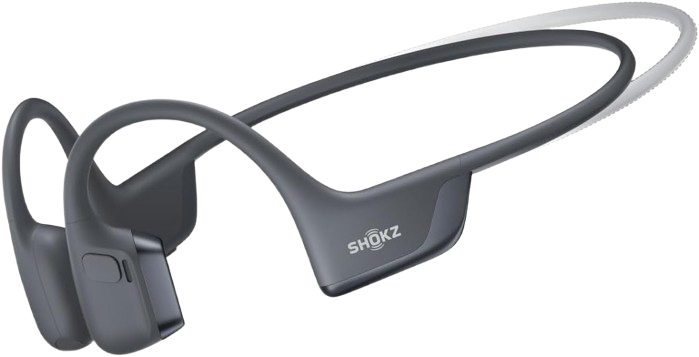
SHOKZ New OpenRun Pro 2 Mini
from $179as of May 2026Open-Ear, Bone Conduction Sport Headphones -with Reflective Strip -Sweat Resistant, Workout Headphones -Secure, Wireless, Comfortable Fit-Deep Bass and Smart Mic App
Colors: Black
View on Amazon →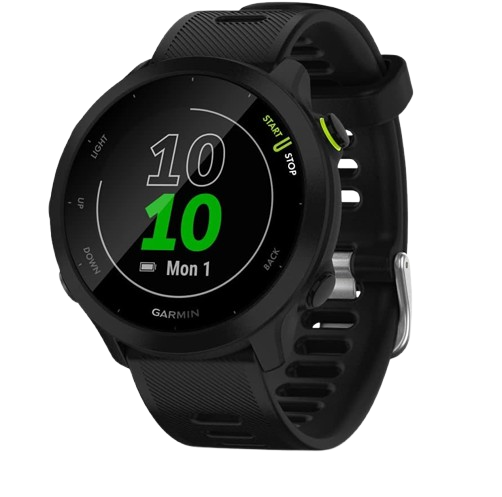
Garmin Forerunner 55
-16%from $167as of May 2026GPS Running Watch with Daily Suggested Workouts, Up to 2 Weeks of Battery Life
Colors: Black/Aqua/White
View on Amazon →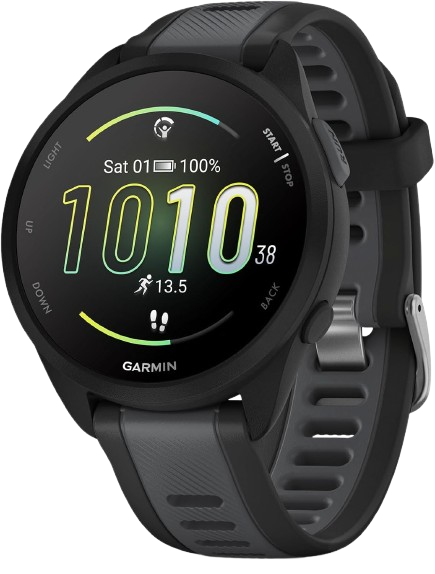
Garmin Forerunner 165
-22%from $195as of May 2026Running Smartwatch, Colorful AMOLED Display, Training Metrics and Recovery Insights
Colors: Black/Whitestone
View on Amazon →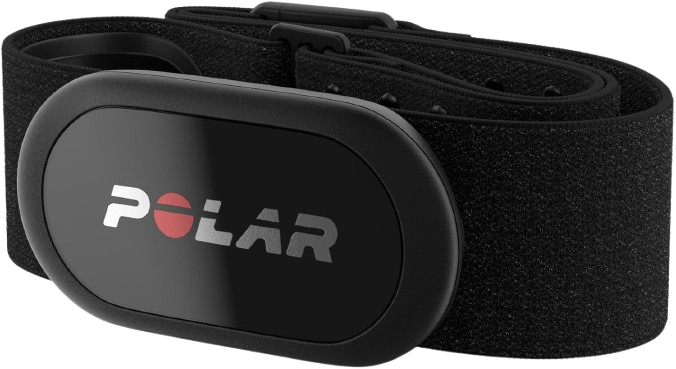
Polar H10 Heart Rate Monitor Chest Strap
-10%from $94as of May 2026Waterproof HR Sensor for Men and Women
View on Amazon →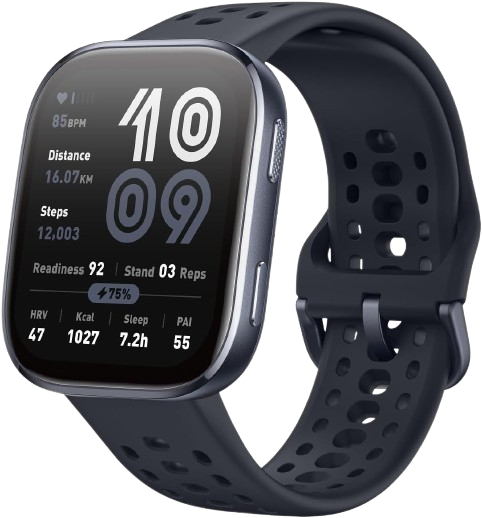
Amazfit Bip 6 Smart Watch 46mm
from $79as of May 202614 Day Battery, 1.97" AMOLED Display, GPS & Free Maps, AI, Bluetooth Call & Text, Health, Fitness & Sleep Tracker, 140+ Workout Modes, 5 ATM Water-Resistance
Colors: Black/Stone
View on Amazon →