1 mile pace chart
The mile is the classic running benchmark. It is short enough to attack at near-max effort, but long enough that pacing still matters. Use this chart to map a target mile time to its underlying pace, or pick a pace and see where it puts you over a full mile.
Training and racing 1 mile
A fast mile rewards speed work: track repeats at 400m and 800m, short hill sprints, and strides at the end of easy runs. Aerobic base from regular distance running still matters, but the mile lives or dies on your ability to hold a pace just above lactate threshold for four to six minutes. Most amateur runners over-estimate their mile pace by 10 to 20 seconds, so it is worth running an honest time trial before setting a target.
1 mile finishing times by pace
| Pace (min/km) | Pace (min/mi) | 1 mile time |
|---|---|---|
| 8:00 | 12:52 | 12:52 |
| 7:45 | 12:28 | 12:28 |
| 7:30 | 12:04 | 12:04 |
| 7:15 | 11:40 | 11:40 |
| 7:00 | 11:16 | 11:16 |
| 6:45 | 10:52 | 10:52 |
| 6:30 | 10:28 | 10:28 |
| 6:15 | 10:04 | 10:04 |
| 6:00 | 9:39 | 9:39 |
| 5:45 | 9:15 | 9:15 |
| 5:30 | 8:51 | 8:51 |
| 5:15 | 8:27 | 8:27 |
| 5:00 | 8:03 | 8:03 |
| 4:45 | 7:39 | 7:39 |
| 4:30 | 7:15 | 7:15 |
| 4:15 | 6:50 | 6:50 |
| 4:00 | 6:26 | 6:26 |
| 3:45 | 6:02 | 6:02 |
| 3:30 | 5:38 | 5:38 |
| 3:15 | 5:14 | 5:14 |
| 3:00 | 4:50 | 4:50 |
What is a good 1 mile time?
| Runner | Time | What it means |
|---|---|---|
| Beginner adult | 10:00 | Comfortable jog with frequent walk breaks. |
| Recreational runner | 8:00 | Steady aerobic effort, runs a few times a week. |
| Competitive amateur | 5:30 | Sub-20 5K runner pushing hard. |
| Elite | 4:00 | Sub-4 mile, the barrier broken by Roger Bannister in 1954. |
Frequently asked questions
What is a good mile time for an adult?
For a recreational adult runner, anything under 9:00 is a clear sign of base fitness. Under 7:00 puts you well above average, and under 6:00 is competitive amateur territory. Don't compare yourself to high-school track times, since those skew toward athletes who train specifically for it.
What pace do I need to run a sub-5:00 mile?
A sub-5:00 mile averages 4:59 or faster, which is roughly 3:06/km or 5:00/mile flat. Most runners aiming for sub-5 pace the first quarter slightly fast (around 1:14), hold pace through the second quarter, and survive the third and fourth as fatigue accumulates.
Should I pace the mile evenly or go out fast?
Slight positive splits (first half a few seconds faster than the second) are common in actual mile races, but for time-trial purposes, and to avoid blowing up, even pacing produces the fastest aggregate time for most runners. Practice it in workouts before racing it.
Other pace charts
Want to take the next step in your training?
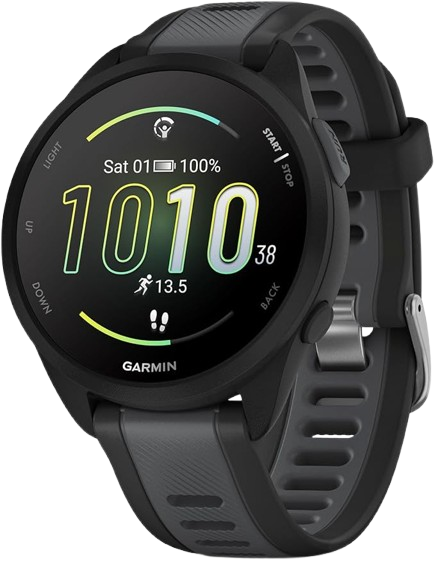
Garmin Forerunner 165 Music
-17%from $249as of May 2026Running Smartwatch, Colorful AMOLED Display, Training Metrics and Recovery Insights, Music on Your Wrist
Colors: Black/Berry/Turquoise/Whitestone
View on Amazon →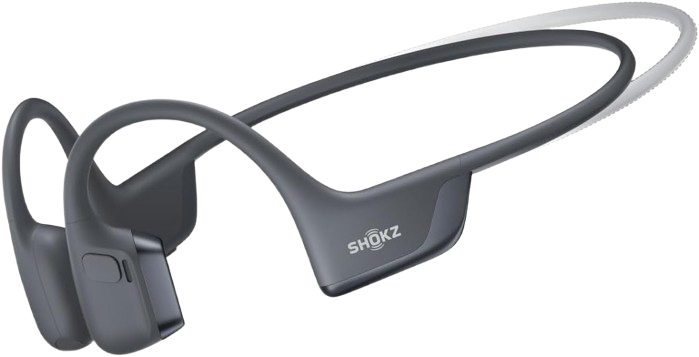
SHOKZ New OpenRun Pro 2 Mini
from $179as of May 2026Open-Ear, Bone Conduction Sport Headphones -with Reflective Strip -Sweat Resistant, Workout Headphones -Secure, Wireless, Comfortable Fit-Deep Bass and Smart Mic App
Colors: Black
View on Amazon →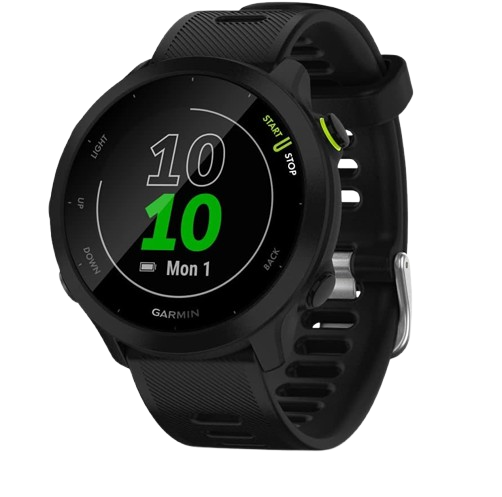
Garmin Forerunner 55
-16%from $167as of May 2026GPS Running Watch with Daily Suggested Workouts, Up to 2 Weeks of Battery Life
Colors: Black/Aqua/White
View on Amazon →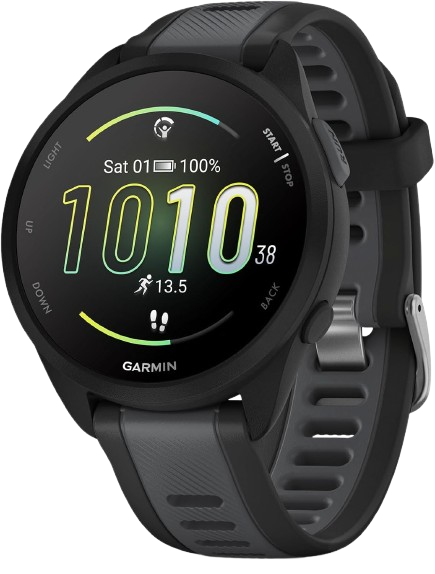
Garmin Forerunner 165
-22%from $195as of May 2026Running Smartwatch, Colorful AMOLED Display, Training Metrics and Recovery Insights
Colors: Black/Whitestone
View on Amazon →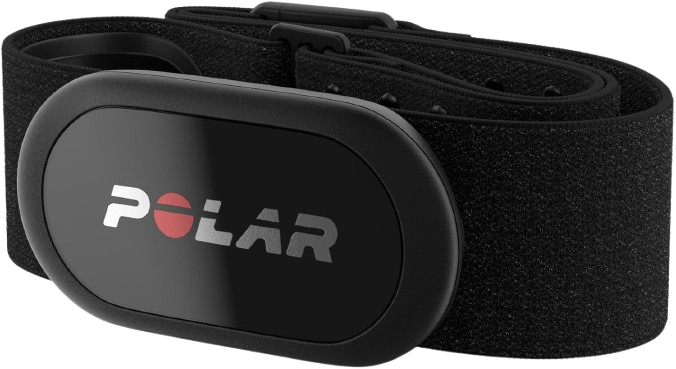
Polar H10 Heart Rate Monitor Chest Strap
-10%from $94as of May 2026Waterproof HR Sensor for Men and Women
View on Amazon →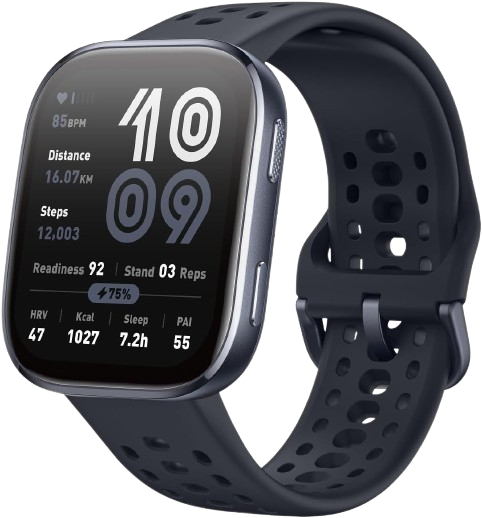
Amazfit Bip 6 Smart Watch 46mm
from $79as of May 202614 Day Battery, 1.97" AMOLED Display, GPS & Free Maps, AI, Bluetooth Call & Text, Health, Fitness & Sleep Tracker, 140+ Workout Modes, 5 ATM Water-Resistance
Colors: Black/Stone
View on Amazon →