10K pace chart
The 10K (10 kilometers / 6.21 miles) is twice the 5K but much more than twice the test. Pace control becomes critical, and the second half is where time trials are won or lost. Use this chart to plan splits, set goals, or just see what is possible at a given pace.
Training and racing 10K
10K training combines threshold work (long intervals at half-marathon to 10K pace) with aerobic volume. Classic sessions: 4x2km at goal pace, 6 to 8 mile tempo runs, plus weekly long runs of 10 to 13 miles. Strength in the final 2K usually separates a good 10K from a great one. That's where fatigued-state intervals (after a long run, or in the back half of a workout) pay off.
10K finishing times by pace
| Pace (min/km) | Pace (min/mi) | 10K time |
|---|---|---|
| 8:00 | 12:52 | 1:20:00 |
| 7:45 | 12:28 | 1:17:30 |
| 7:30 | 12:04 | 1:15:00 |
| 7:15 | 11:40 | 1:12:30 |
| 7:00 | 11:16 | 1:10:00 |
| 6:45 | 10:52 | 1:07:30 |
| 6:30 | 10:28 | 1:05:00 |
| 6:15 | 10:04 | 1:02:30 |
| 6:00 | 9:39 | 1:00:00 |
| 5:45 | 9:15 | 57:30 |
| 5:30 | 8:51 | 55:00 |
| 5:15 | 8:27 | 52:30 |
| 5:00 | 8:03 | 50:00 |
| 4:45 | 7:39 | 47:30 |
| 4:30 | 7:15 | 45:00 |
| 4:15 | 6:50 | 42:30 |
| 4:00 | 6:26 | 40:00 |
| 3:45 | 6:02 | 37:30 |
| 3:30 | 5:38 | 35:00 |
| 3:15 | 5:14 | 32:30 |
| 3:00 | 4:50 | 30:00 |
What is a good 10K time?
| Runner | Time | What it means |
|---|---|---|
| Beginner | 1:10:00 | First-time 10K finisher, mixed running and walking. |
| Recreational | 55:00 | Steady-paced casual runner. |
| Competitive amateur | 40:00 | Sub-40, a common amateur target. |
| Elite men | 26:11 | World record (Joshua Cheptegei, 2020). |
Frequently asked questions
What pace do I need to run a sub-50 10K?
Sub-50 10K is 5:00/km or 8:03/mile. Plan to go out at 4:55 to 5:00/km and avoid the rookie mistake of opening at 4:45 then fading badly.
What pace do I need to run a sub-40 10K?
4:00/km exactly (6:26/mile), which is also a 20:00 5K run twice. Most runners at this level put 75 to 80% of training effort into threshold work and aerobic base.
How much faster than marathon pace is 10K pace?
Typically 60 to 90 seconds per mile faster, or 35 to 55 seconds per kilometer. So a 3:30 marathoner (roughly 5:00/km) usually races a 10K around 4:10/km.
Should I race a 10K or a 5K first?
Either works. 5K races are more common and easier to find. The 10K is more rewarding for runners who have been training a while and want a clearer test of endurance.
Other pace charts
Want to take the next step in your training?
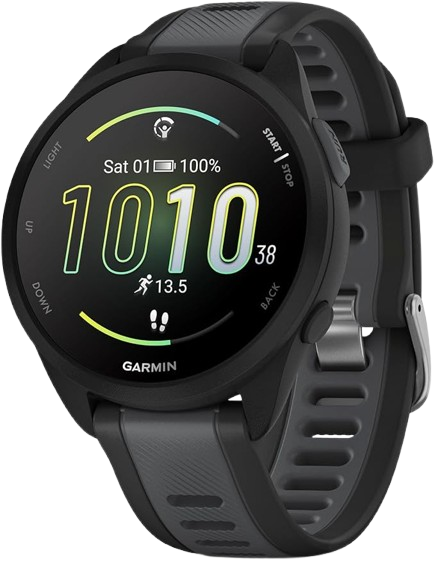
Garmin Forerunner 165 Music
-17%from $249as of May 2026Running Smartwatch, Colorful AMOLED Display, Training Metrics and Recovery Insights, Music on Your Wrist
Colors: Black/Berry/Turquoise/Whitestone
View on Amazon →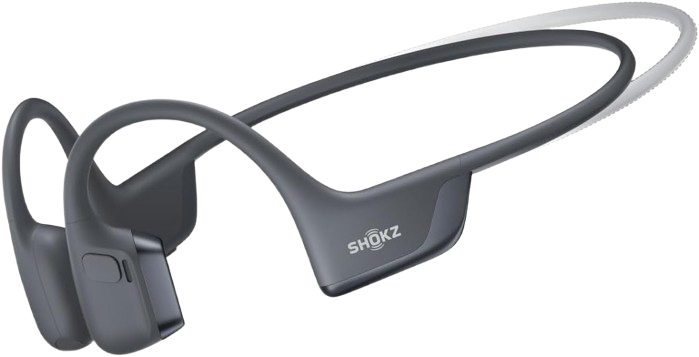
SHOKZ New OpenRun Pro 2 Mini
from $179as of May 2026Open-Ear, Bone Conduction Sport Headphones -with Reflective Strip -Sweat Resistant, Workout Headphones -Secure, Wireless, Comfortable Fit-Deep Bass and Smart Mic App
Colors: Black
View on Amazon →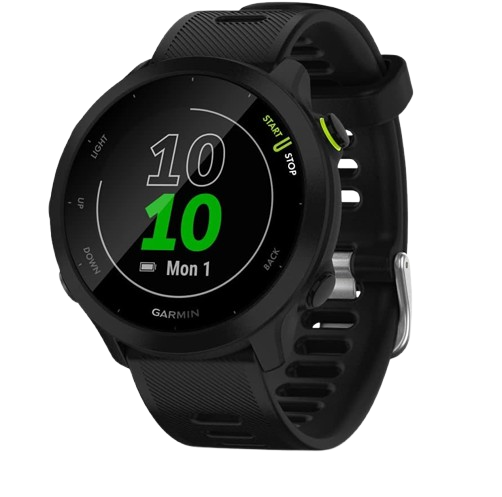
Garmin Forerunner 55
-16%from $167as of May 2026GPS Running Watch with Daily Suggested Workouts, Up to 2 Weeks of Battery Life
Colors: Black/Aqua/White
View on Amazon →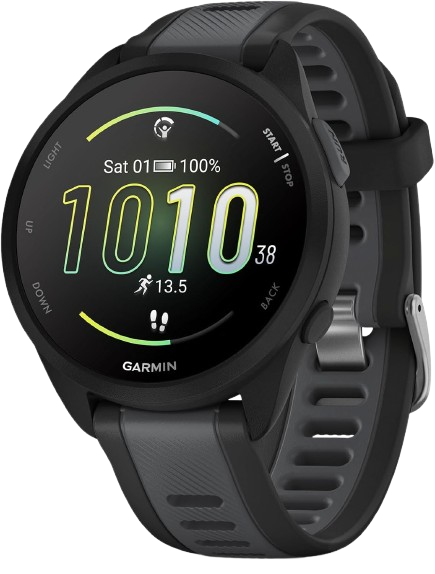
Garmin Forerunner 165
-22%from $195as of May 2026Running Smartwatch, Colorful AMOLED Display, Training Metrics and Recovery Insights
Colors: Black/Whitestone
View on Amazon →
Polar H10 Heart Rate Monitor Chest Strap
-10%from $94as of May 2026Waterproof HR Sensor for Men and Women
View on Amazon →
Amazfit Bip 6 Smart Watch 46mm
from $79as of May 202614 Day Battery, 1.97" AMOLED Display, GPS & Free Maps, AI, Bluetooth Call & Text, Health, Fitness & Sleep Tracker, 140+ Workout Modes, 5 ATM Water-Resistance
Colors: Black/Stone
View on Amazon →