5K pace chart
The 5K (5 kilometers / 3.11 miles) is the most-raced distance in the world. Almost every parkrun, fun run, and turkey trot uses it. This chart maps every pace to a 5K finishing time so you can see what is realistic for your current fitness.
Training and racing 5K
5K training balances aerobic volume with race-pace intervals. Classic sessions include 5x1000m at goal pace, 12x400m slightly faster, and tempo runs at half-marathon effort. Six to ten weeks of focused work usually moves an experienced runner by 30 to 60 seconds. Beginners can drop minutes in their first season simply by running consistently.
5K finishing times by pace
| Pace (min/km) | Pace (min/mi) | 5K time |
|---|---|---|
| 8:00 | 12:52 | 40:00 |
| 7:45 | 12:28 | 38:45 |
| 7:30 | 12:04 | 37:30 |
| 7:15 | 11:40 | 36:15 |
| 7:00 | 11:16 | 35:00 |
| 6:45 | 10:52 | 33:45 |
| 6:30 | 10:28 | 32:30 |
| 6:15 | 10:04 | 31:15 |
| 6:00 | 9:39 | 30:00 |
| 5:45 | 9:15 | 28:45 |
| 5:30 | 8:51 | 27:30 |
| 5:15 | 8:27 | 26:15 |
| 5:00 | 8:03 | 25:00 |
| 4:45 | 7:39 | 23:45 |
| 4:30 | 7:15 | 22:30 |
| 4:15 | 6:50 | 21:15 |
| 4:00 | 6:26 | 20:00 |
| 3:45 | 6:02 | 18:45 |
| 3:30 | 5:38 | 17:30 |
| 3:15 | 5:14 | 16:15 |
| 3:00 | 4:50 | 15:00 |
What is a good 5K time?
| Runner | Time | What it means |
|---|---|---|
| Beginner | 35:00 | Run-walk strategy, finishing strong. |
| Recreational | 28:00 | Typical pace for a regular jogger. |
| Competitive amateur | 20:00 | Sub-20 is the common amateur benchmark. |
| Elite men | 12:35 | World record (Joshua Cheptegei, 2020). |
Frequently asked questions
What pace do I need to run a sub-20 5K?
Sub-20 5K is exactly 4:00/km or 6:26/mile. Most runners reach this by being able to hold around 3:55/km for shorter intervals, then building aerobic capacity to sustain it for 20 minutes.
What pace do I need to run a sub-25 5K?
5:00/km flat (8:03/mile) gives you exactly 25:00. Aim for 4:55/km in training intervals so race day has a small buffer.
How long does it take to train for a 5K?
From scratch (no running background), 8 to 12 weeks of consistent running gets most people across the line. From an existing running base, 6 to 8 weeks of focused training is enough to set a personal best.
Is a 5K hard?
Run all-out, yes. The 5K sits at lactate threshold, so the last kilometer hurts. Run conservatively, no. It is short enough to be a manageable first race.
Other pace charts
Want to take the next step in your training?
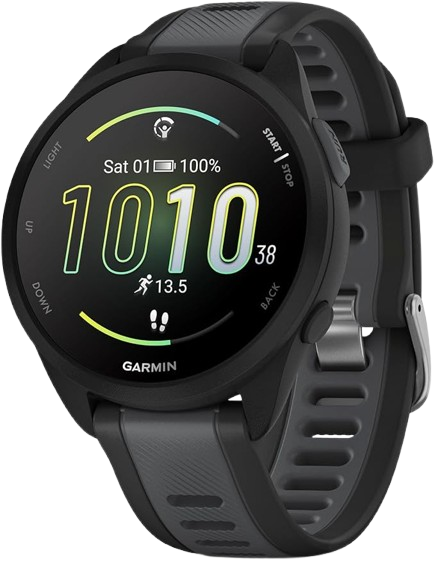
Garmin Forerunner 165 Music
-17%from $249as of May 2026Running Smartwatch, Colorful AMOLED Display, Training Metrics and Recovery Insights, Music on Your Wrist
Colors: Black/Berry/Turquoise/Whitestone
View on Amazon →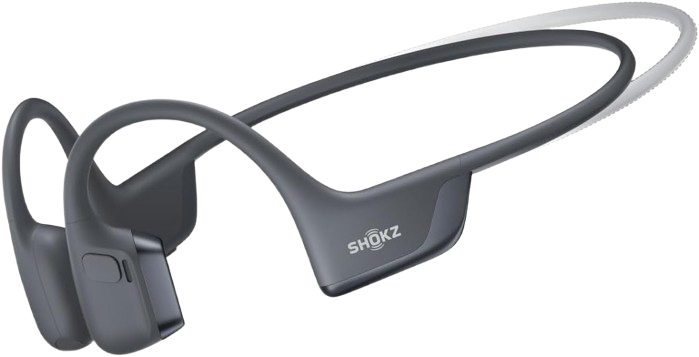
SHOKZ New OpenRun Pro 2 Mini
from $179as of May 2026Open-Ear, Bone Conduction Sport Headphones -with Reflective Strip -Sweat Resistant, Workout Headphones -Secure, Wireless, Comfortable Fit-Deep Bass and Smart Mic App
Colors: Black
View on Amazon →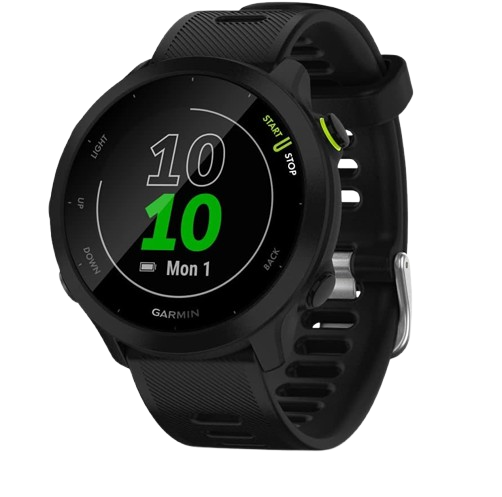
Garmin Forerunner 55
-16%from $167as of May 2026GPS Running Watch with Daily Suggested Workouts, Up to 2 Weeks of Battery Life
Colors: Black/Aqua/White
View on Amazon →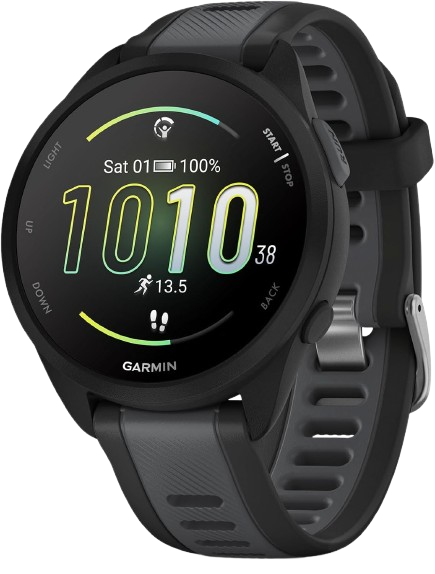
Garmin Forerunner 165
-22%from $195as of May 2026Running Smartwatch, Colorful AMOLED Display, Training Metrics and Recovery Insights
Colors: Black/Whitestone
View on Amazon →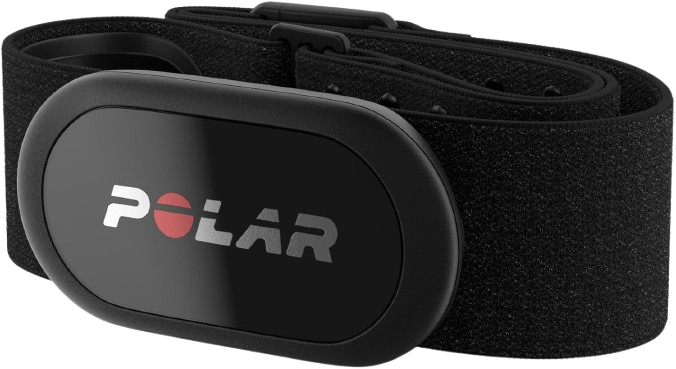
Polar H10 Heart Rate Monitor Chest Strap
-10%from $94as of May 2026Waterproof HR Sensor for Men and Women
View on Amazon →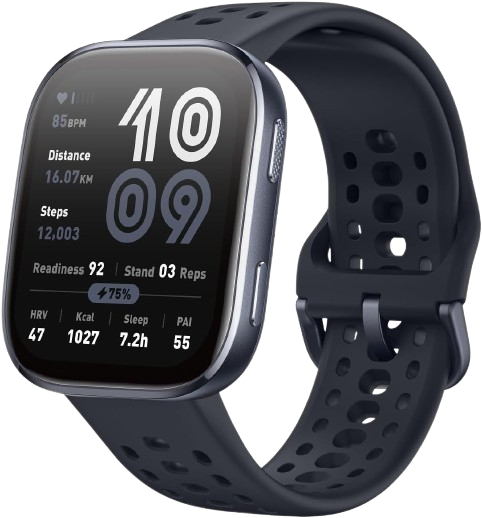
Amazfit Bip 6 Smart Watch 46mm
from $79as of May 202614 Day Battery, 1.97" AMOLED Display, GPS & Free Maps, AI, Bluetooth Call & Text, Health, Fitness & Sleep Tracker, 140+ Workout Modes, 5 ATM Water-Resistance
Colors: Black/Stone
View on Amazon →