Which marathon should you run?
The right marathon depends on what you want out of it. Here is how to match the race to your goal.
Start with the question, not the race
A PR attempt asks for a flat course, cool weather, and strong pacer groups. A first marathon asks for a forgiving cutoff time and a setting you can manage without travel stress. A bucket-list trip asks for a story worth telling. The marathons below are grouped by what they actually deliver, not by how famous they are. Pick the bucket that matches your goal, then pick a race inside it.
Best marathons for a PR
Flat, sea-level, late-autumn races with deep pacer support. These are the courses you choose when the only thing that matters is the number on the clock.
Berlin (late September)
The fastest marathon in the world by reputation and by record. The course is flat, sea-level, and well-paced, which is why every recent men's world record has been set there. Conditions in late September are usually cool and dry. Entry is by ballot, but the win rate is meaningfully better than London or New York, and Berlin is the most realistic Major for an amateur to enter without a qualifying time.
Valencia (early December)
The favorite for amateur PRs over the last few years. Flat, fast, and sea-level on the Spanish Mediterranean coast. December weather is reliably cool but not cold. Pacer groups cover every realistic goal time from 2:30 down through 5:00. Entry opens early in the year and sells out fast, but it is signup-based, not a lottery. Crowds and organization rival the Majors at a fraction of the cost.
Chicago (early October)
Flat and fast with deep pacer support and a wide range of entry routes (ballot, charity, time qualifier). The course loops through the city and is friendly to spectators. Chicago weather is the wildcard: some years cool and ideal, some years warm enough to wreck PR attempts.
Frankfurt (late October)
The quieter cousin of Berlin. Flat, fast, late-October Europe, but without the lottery hassle or the price tag. A good "stealth PR" race for runners who want Berlin's profile without the queue.
Best first marathon
Well-organized races with generous cutoff times and minimal logistics. Save the Majors for later.
Rotterdam (April)
Pancake flat, professionally organized, friendly cutoff around 6 hours. Excellent crowd support all the way around the course. Rotterdam is the race to pick when you do not want surprises on a day that already has enough of them.
Copenhagen (May)
Flat, fast, late spring. Smaller atmosphere than the Majors but very supportive, and the date works well if you would rather not train through high summer or deep winter.
A local marathon
Honestly, the small marathon 30 minutes from your house is often the right answer for a first attempt. Familiar logistics, no travel stress, easier to bring people along to support you. Major-name races are exhilarating but they pile logistics on top of an already nervous day. If you have a decent local race, take it seriously as an option.
Best for prestige and experience
These are the races people travel for. None of them are PR-optimal. Run them for the spectacle.
New York (early November)
The classic American spectacle. The course covers all five boroughs and crosses bridges that are not flat. Crowds are massive and continuous from the Verrazzano start to the finish in Central Park. Entry is by lottery or qualifying time. Do not run New York for the clock.
Boston (mid-April)
The only Major you must qualify into. Point-to-point from Hopkinton with a downhill start that punishes quads, followed by the Newton Hills (including Heartbreak Hill) in the second half. Boston is harder than the elevation profile suggests. Qualifying standards change each year and the practical cutoff is faster than the published time because demand exceeds supply. If you qualify and get in, you go.
London (April)
Flat, well-organized, enormous crowds. The early kilometers are congested. Entry is lottery or good-for-age qualifying time, both highly competitive. Run London for the spectacle of central London with the crowds ten deep, not for a PR.
Tokyo (early March)
The most logistically pristine of the Majors. Flat, fast course, but the date sits in the middle of northern-hemisphere winter, so peak training is the harder part. International entry through the ballot is competitive but achievable.
Scenic and bucket-list
Marathons where the route is the point. You do not race these for time.
Big Sur (late April)
Point-to-point along the California coast from Big Sur to Carmel. The course is hilly, the climbs are exposed, and the views are the reason you are there. The Bixby Bridge stretch is one of the most photographed in marathoning.
Athens Classic (early November)
The original marathon course. Marathon to Athens, finishing in the Panathenaic Stadium. The middle 15 km is a long uphill climb that punishes anyone who started too fast. Run it for the history and the stadium finish, not for the time.
Extreme events (Antarctica, Sahara, etc.)
Real races at real distances in places that trade comfort for story. Antarctica, the North Pole, multi-day desert ultras. Worth doing only if the story is the entire point. Otherwise the entry fee and travel rapidly stop being worth it.
Quick decision summary
- For a PR: Berlin or Valencia. Both flat, both pacer-rich, both reliably cool in late autumn.
- For your first: Rotterdam, Copenhagen, or your local race. Pick logistics over prestige.
- For the experience: New York or London. Tokyo if you can travel.
- If you qualify: Boston.
- For the story: Big Sur, Athens, or one of the extreme events.
A note on Boston qualifying
The BAA publishes age and sex-specific qualifying times each year. The practical cutoff (the time you actually need to register, after the field is set) is faster than the published standard because demand exceeds supply. Check the official Boston Athletic Association site for current numbers before you build a training plan around qualifying. A target of about five minutes faster than the published standard is a common buffer recommendation among coaches.
Once you have picked a race
Want to take the next step in your training?
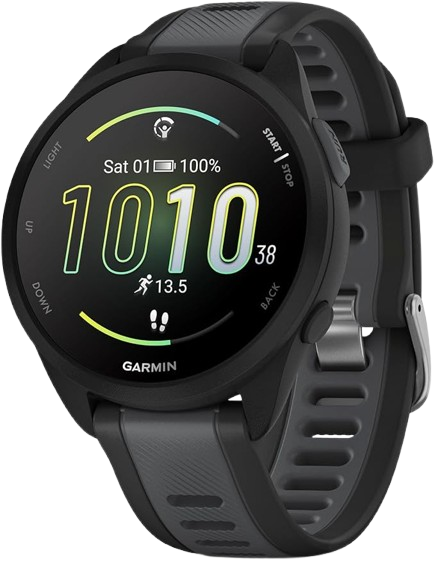
Garmin Forerunner 165 Music
-17%from $249as of May 2026Running Smartwatch, Colorful AMOLED Display, Training Metrics and Recovery Insights, Music on Your Wrist
Colors: Black/Berry/Turquoise/Whitestone
View on Amazon →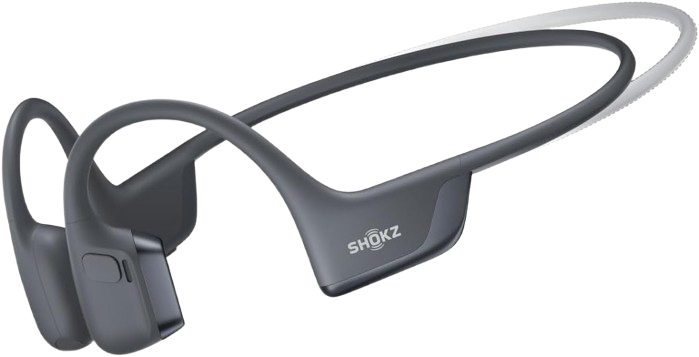
SHOKZ New OpenRun Pro 2 Mini
from $179as of May 2026Open-Ear, Bone Conduction Sport Headphones -with Reflective Strip -Sweat Resistant, Workout Headphones -Secure, Wireless, Comfortable Fit-Deep Bass and Smart Mic App
Colors: Black
View on Amazon →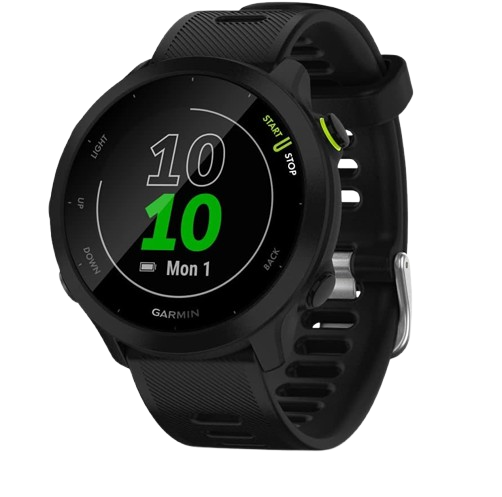
Garmin Forerunner 55
-16%from $167as of May 2026GPS Running Watch with Daily Suggested Workouts, Up to 2 Weeks of Battery Life
Colors: Black/Aqua/White
View on Amazon →
Garmin Forerunner 165
-22%from $195as of May 2026Running Smartwatch, Colorful AMOLED Display, Training Metrics and Recovery Insights
Colors: Black/Whitestone
View on Amazon →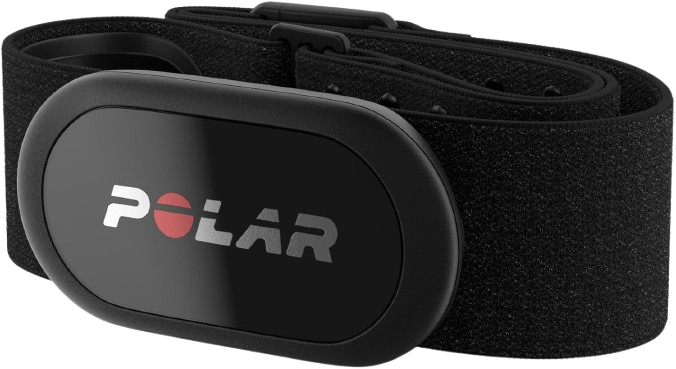
Polar H10 Heart Rate Monitor Chest Strap
-10%from $94as of May 2026Waterproof HR Sensor for Men and Women
View on Amazon →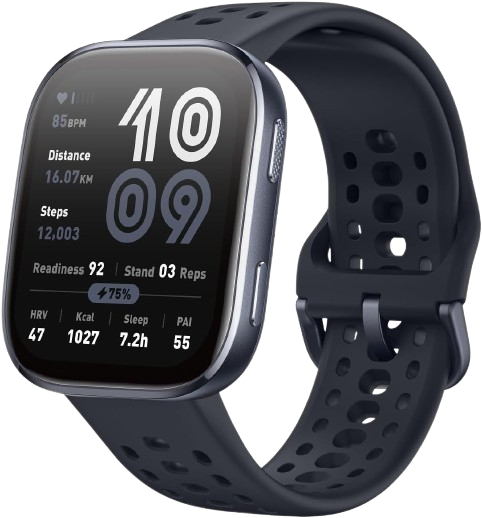
Amazfit Bip 6 Smart Watch 46mm
from $79as of May 202614 Day Battery, 1.97" AMOLED Display, GPS & Free Maps, AI, Bluetooth Call & Text, Health, Fitness & Sleep Tracker, 140+ Workout Modes, 5 ATM Water-Resistance
Colors: Black/Stone
View on Amazon →